ads blog 3

Ooil-free fryer

Monday, March 15, 2021

Food as Medicine: When food is the best prescription


Food as Medicine: When food is the best prescription

ou could say we’re in a food revolution of sorts. For years, food was simply food. People ate to sustain themselves (and also for pleasure because, let’s face it, humans like food).

But we’ve recently begun to wonder: Could food be more than just food? Does what we eat matter? How about when? How about why?

These questions are all part of a larger transformation of how we define “health.” Your health isn’t simply determined by medications, procedures, doctor’s visits and health screenings. Rather, your health encompasses a broader understanding of your lifestyle — things like your diet, how much you exercise, your level of stress and your sleep schedule.

More and more, we’re beginning to grasp the idea that, for better or for worse, what we eat impacts our health. A recent study linked poor eating habits to one out of every five deaths across the globe.

“The statement that you are what you eat is and will always be true,” said Sam DeLiberato, DO, family medicine physician at Baylor Scott & White Clinic – Austin Circle C. “Specific diseases thrive depending on which foods you eat, while those same diseases can be treated by changing your dietary habits.”

Related: How to know if the keto diet is right for you

How your diet impacts your health

As we learn more about the relationship between food and health, the food as medicine movement continues to grow.

While food cannot replace traditional medicine, the healthcare community has begun to embrace diet as a critical determinant of your health and an effective method of managing many chronic diseases. A healthy diet (for example, the Mediterranean diet) has been shown to increase your longevity and decrease your risk of developing heart disease and type 2 diabetes. And if disease does take its course, a healthy diet becomes a critical piece of your treatment.

“Explore."

Many physicians see diet as the starting point, before medication or other intervention.

“I talk with my patients regularly about diet. It is truly the best medicine,” said Mark Hinds, MD, family medicine physician at Baylor Scott & White Medical Center – Hillcrest. “I see patients with type 2 diabetes every day. My initial prescribed treatment for them is dietary changes.”

It’s often simply a matter of education.

“The typical diet for most of these people includes frequent intake of fast food and liquid calories,” Dr. Hinds said.

By teaching them what a healthier diet looks like, primary care physicians are empowering their patients to take charge of their health.

By teaching them what a healthier diet looks like, primary care physicians are empowering their patients to take charge of their health. It’s almost like “prescribing” food, but instead of receiving a prescription for a drug, you get a meal plan or grocery list.

“By providing specific examples of types of foods or diets, you are already starting their treatment plan without ‘prescription medications,’ while in the same sense providing them with a ‘prescription’ to succeed through dietary changes,” Dr. DeLiberto said.

Related: Why a plant-based diet might be better for your kidneys

Take heart disease, for example. We’ve known for some time that heart disease is an inflammatory disorder. It’s no wonder why this disease is the number one cause of death in our nation — just take a look at what is on our plates.

“Our typical American diet is pro-inflammatory,” Dr. Hinds said. “It’s high in saturated fat and sugar, calorically dense and low in antioxidants. I commonly see the effects of this in middle-aged males in particular who are often overweight with high body fat percentage, low testosterone and gum disease.”

But, as Dr. Hinds and other physicians emphasize, dietary changes make a difference. He’s seen it time and time again as his patients learn to approach food with new eyes.

“Changing their mindset about food helps them make needed lifestyle changes,” he said. “It’s a simple fact that diets rich in vegetables, fruits and fish, and low in red meat reduce the risk of heart disease and other chronic conditions.”

So, if food really is medicine, how does that change the way you fill your plate?

Why Food Could Be the Best Medicine of All


Why Food Could Be the Best Medicine of All

When Tom Shicowich’s toe started feeling numb in 2010, he brushed it off as a temporary ache. At the time, he didn’t have health insurance, so he put off going to the doctor. The toe became infected, and he got so sick that he stayed in bed for two days with what he assumed was the flu. When he finally saw a doctor, the physician immediately sent Shicowich to the emergency room. Several days later, surgeons amputated his toe, and he ended up spending a month in the hospital to recover.

Shicowich lost his toe because of complications of Type 2 diabetes as he struggled to keep his blood sugar under control. He was overweight and on diabetes medications, but his diet of fast food and convenient, frozen processed meals had pushed his disease to life-threatening levels.

After a few more years of trying unsuccessfully to treat Shicowich’s diabetes, his doctor recommended that he try a new program designed to help patients like him. Launched in 2017 by the Geisinger Health System at one of its community hospitals, the Fresh Food Farmacy provides healthy foods—heavy on fruits, vegetables, lean meats and low-sodium options—to patients in Northumberland County, Pennsylvania, and teaches them how to incorporate those foods into their daily diet. Each week, Shicowich, who lives below the federal poverty line and is food-insecure, picks up recipes and free groceries from the Farmacy’s food bank and has his nutrition questions answered and blood sugar monitored by the dietitians and health care managers assigned to the Farmacy. In the year and a half since he joined the program, Shicowich has lost 60 lb., and his A1C level, a measure of his blood sugar, has dropped from 10.9 to 6.9, which means he still has diabetes but it’s out of the dangerous range. “It’s a major, major difference from where I started from,” he says. “It’s been a life-changing, lifesaving program for me.”
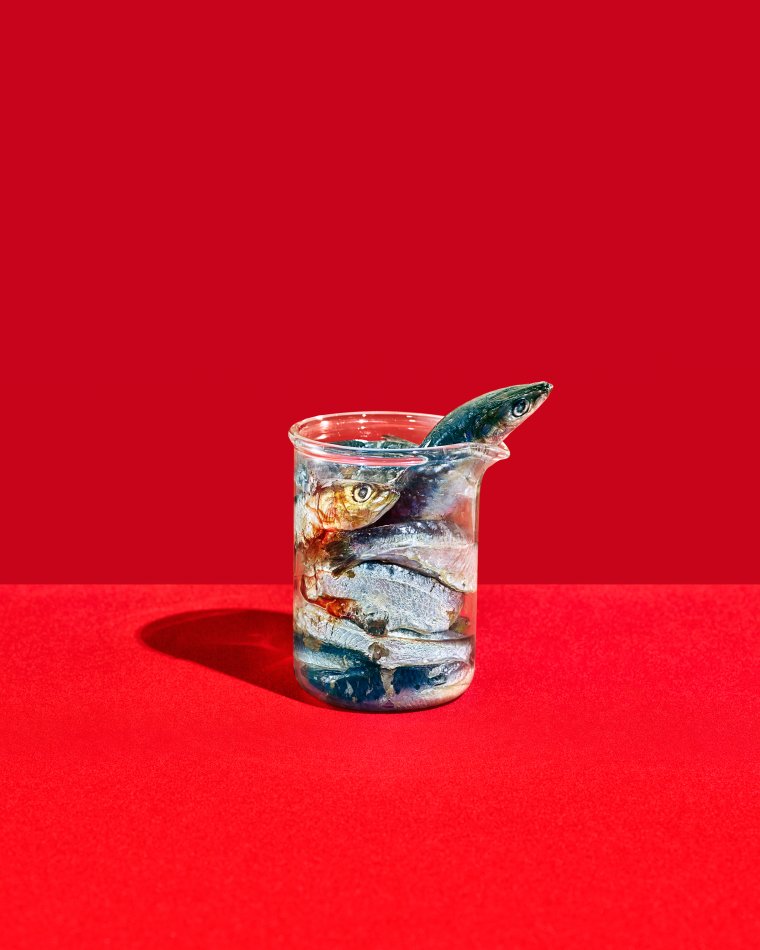
FISH | Certain fish are rich in omega-3 fatty acids. Omega-3 oils can reduce blood pressure and inhibit growth of plaques in arteries
 
Zachary Zavislak for TIME

Geisinger’s program is one of a number of groundbreaking efforts that finally consider food a critical part of a patient’s medical care—and treat food as medicine that can have as much power to heal as drugs. More studies are revealing that people’s health is the sum of much more than the medications they take and the tests they get—health is affected by how much people sleep and exercise, how much stress they’re shouldering and, yes, what they are eating at every meal. Food is becoming a particular focus of doctors, hospitals, insurers and even employers who are frustrated by the slow progress of drug treatments in reducing food-related diseases like Type 2 diabetes, heart disease, hypertension and even cancer. They’re also encouraged by the growing body of research that supports the idea that when people eat well, they stay healthier and are more likely to control chronic diseases and perhaps even avoid them altogether. “When you prioritize food and teach people how to prepare healthy meals, lo and behold, it can end up being more impactful than medications themselves,” says Dr. Jaewon Ryu, interim president and CEO of Geisinger. “That’s a big win.”

The problem is that eating healthy isn’t as easy as popping a pill. For some, healthy foods simply aren’t available. And if they are, they aren’t affordable. So more hospitals and physicians are taking action to break down these barriers to improve their patients’ health. In cities where fresh produce is harder to access, hospitals have worked with local grocers to provide discounts on fruits and vegetables when patients provide a “prescription” written by their doctor; the Cleveland Clinic sponsors farmers’ markets where local growers accept food assistance vouchers from federal programs like WIC as well as state-led initiatives. And some doctors at Kaiser Permanente in San Francisco hand out recipes instead of (or along with) prescriptions for their patients, pulled from the organization’s Thrive Kitchen, which also provides low-cost monthly cooking classes for members of its health plan. Hospitals and clinics across the country have also visited Geisinger’s program to learn from its success.

But doctors alone can’t accomplish this food transformation. Recognizing that healthier members not only live longer but also avoid expensive visits to the emergency room, insurers are starting to reward healthy eating by covering sessions with nutritionists and dietitians. In February, Blue Cross Blue Shield of Massachusetts began covering tailored meals from the nonprofit food program Community Servings for its members with congestive heart failure who can’t afford the low-fat, low-sodium meals they need. Early last year, Congress assigned a first ever bipartisan Food Is Medicine working group to explore how government-sponsored food programs could address hunger and also lower burgeoning health care costs borne by Medicare when it comes to complications of chronic diseases. “The idea of food as medicine is not only an idea whose time has come,” says Dr. Dariush Mozaffarian, a cardiologist and the dean of the Friedman School of Nutrition Science and Policy at Tufts University. “It’s an idea that’s absolutely essential to our health care system.”
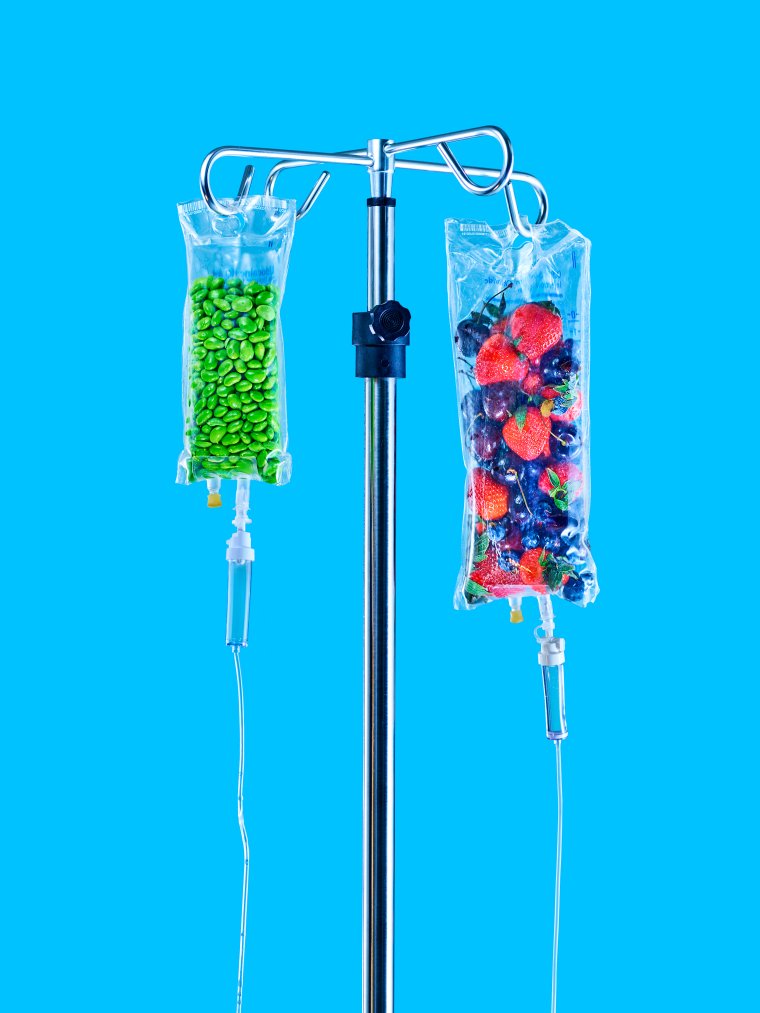
BEANS | Good source of protein, fiber and vitamins. Beans not only build muscle instead of fat but also can help lower cholesterol and cut risk of cancer
 
Zachary Zavislak for TIME

Ask any doctor how to avoid or mitigate the effects of the leading killers of Americans and you’ll likely hear that eating healthier plays a big role. But knowing intuitively that food can influence health is one thing, and having the science and the confidence to back it up is another. And it’s only relatively recently that doctors have started to bridge this gap.

It’s hard to look at health outcomes like heart disease and cancer that develop over long periods of time and tie them to specific foods in the typical adult’s varied diet. Plus, foods are not like drugs that can be tested in rigorous studies that compare people who eat a cup of blueberries a day, for example, with those who don’t to determine if the fruit can prevent cancers. Foods aren’t as discrete as drugs when it comes to how they act on the body either—they can contain a number of beneficial, and possibly less beneficial, ingredients that work in divergent systems.

Doctors also know that we eat not only to feed our cells but also because of emotions, like feeling happy or sad. “It’s a lot cheaper to put someone on three months of statins [to lower their cholesterol] than to figure out how to get them to eat a healthy diet,” says Eric Rimm, a professor of epidemiology and nutrition at the Harvard T.H. Chan School of Public Health. But drugs are expensive—the average American spends $1,400 a year on medications—and if people can’t afford them, they go without, increasing the likelihood that they’ll develop complications as they progress to severe stages of their illness, which in turn forces them to require more—and costly—health care. What’s more, it’s not as if the medications are cure-alls; while deaths from heart disease are declining, for example, the most recent report from the American Heart Association showed that the prevalence of obesity increased from 30.5% in 1999–2000 to 37.7% in 2013–2014, and 40% of adults have high total cholesterol.
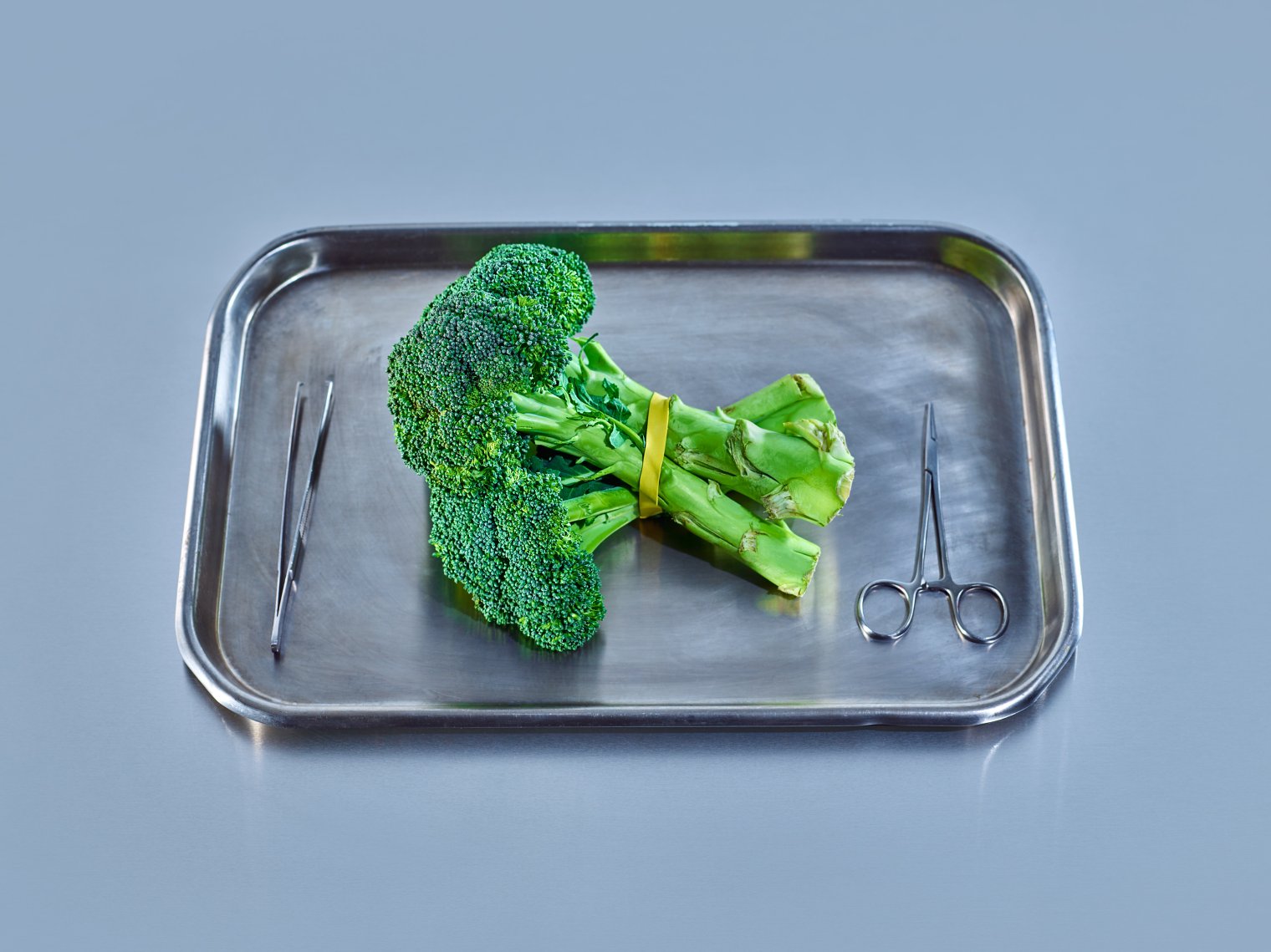
BROCCOLI | Loaded with glucosino­lates. Glucosinolates convert to compounds that can slow breast cancer cells from growing in the lab
 
Zachary Zavislak for TIME

What people are eating contributes to those stubborn trends, and making nutrition a bigger priority in health care instead of an afterthought may finally start to reverse them. Although there aren’t the same types of rigorous trials proving food’s worth that there are for drugs, the data that do exist, from population-based studies of what people eat, as well as animal and lab studies of specific active ingredients in food, all point in the same direction.

The power of food as medicine gained scientific credibility in 2002, when the U.S. government released results of a study that pitted a diet and exercise program against a drug treatment for Type 2 diabetes. The Diabetes Prevention Program compared people assigned to a diet low in saturated fat, sugar and salt that included lean protein and fresh fruits and vegetables with people assigned to take metformin to lower blood sugar. Among people at high risk of developing diabetes, those taking metformin lowered their risk of actually getting diabetes by 31% compared with those taking a placebo, while those who modified their diet and exercised regularly lowered their risk by 58% compared with those who didn’t change their behaviors, a near doubling in risk reduction.

Studies showing that food could treat disease as well soon followed. In 2010, Medicare reimbursed the first lifestyle-based program for treating heart disease, based on decades of work by University of California, San Francisco, heart expert Dr. Dean Ornish. Under his plan, people who had had heart attacks switched to a low-fat diet, exercised regularly, stopped smoking, lowered their stress levels with meditation and strengthened their social connections. In a series of studies, he found that most followers lowered their blood sugar, blood pressure and cholesterol levels and also reversed some of the blockages in their heart arteries, reducing their episodes of angina.
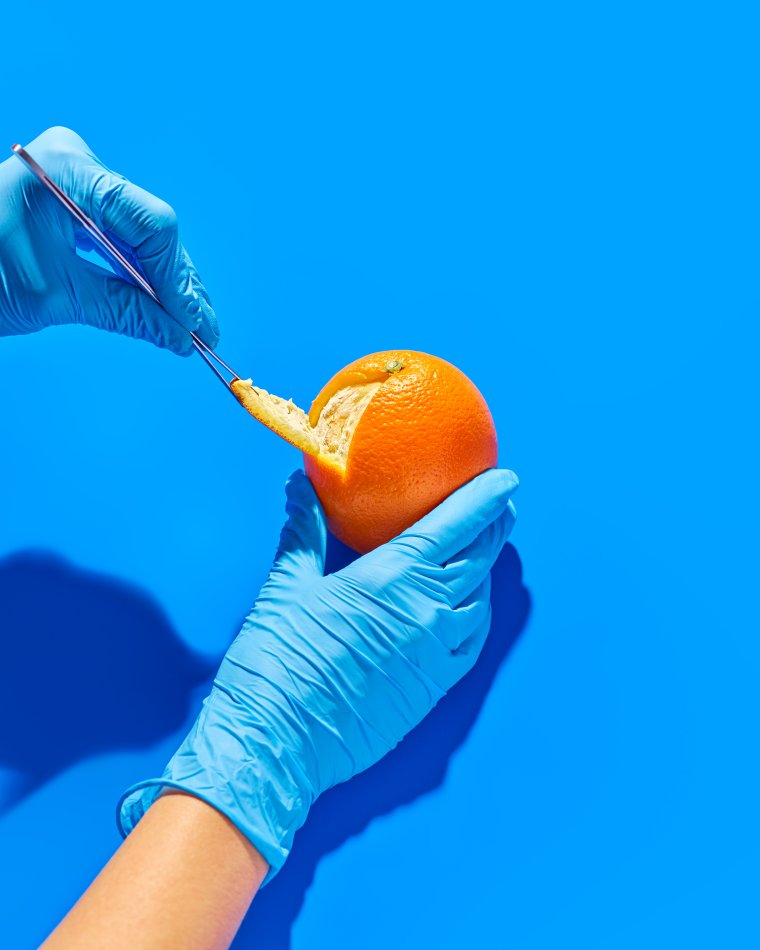
ORANGES | Rich in vitamin C, which can increase the production of certain immune cells in the body. These cells can control overactive immune reactions in autoimmune diseases like lupus
 
Zachary Zavislak for TIME

In recent years, other studies have shown similar benefits for healthy eating patterns like the Mediterranean diet—which is high in good fats like olive oil and omega-3s, nuts, fruits and vegetables—in preventing repeat events for people who have had a heart attack. “It’s clear that people who are coached on how to eat a Mediterranean diet high in nuts or olive oil get more benefit than we’ve found in similarly conducted trials of statins [to lower cholesterol],” says Rimm. Researchers found similar benefit for people who have not yet had a heart attack but were at higher risk of having one.

Animal studies and analyses of human cells in the lab are also starting to expose why certain foods are associated with lower rates of disease. Researchers are isolating compounds like omega-3s found in fish and polyphenols in apples, for example, that can inhibit cancer tumors’ ability to grow new blood vessels. Nuts and seeds can protect parts of our chromosomes so they can repair damage they encounter more efficiently and help cells stay healthy longer.

If food is indeed medicine, then it’s time to treat it that way. In his upcoming book, Eat to Beat Disease, Dr. William Li, a heart expert, pulled together years of accumulated data and proposes specific doses of foods that can treat diseases ranging from diabetes to breast cancer. Not all doctors agree that the science supports administering food like drugs, but he’s hoping the controversial idea will prompt more researchers to study food in ways as scientifically rigorous as possible and generate stronger data in coming years. “We are far away from prescribing diets categorically to fight disease,” he says. “And we may never get there. But we are looking to fill in the gaps that have long existed in this field with real science. This is the beginning of a better tomorrow.”
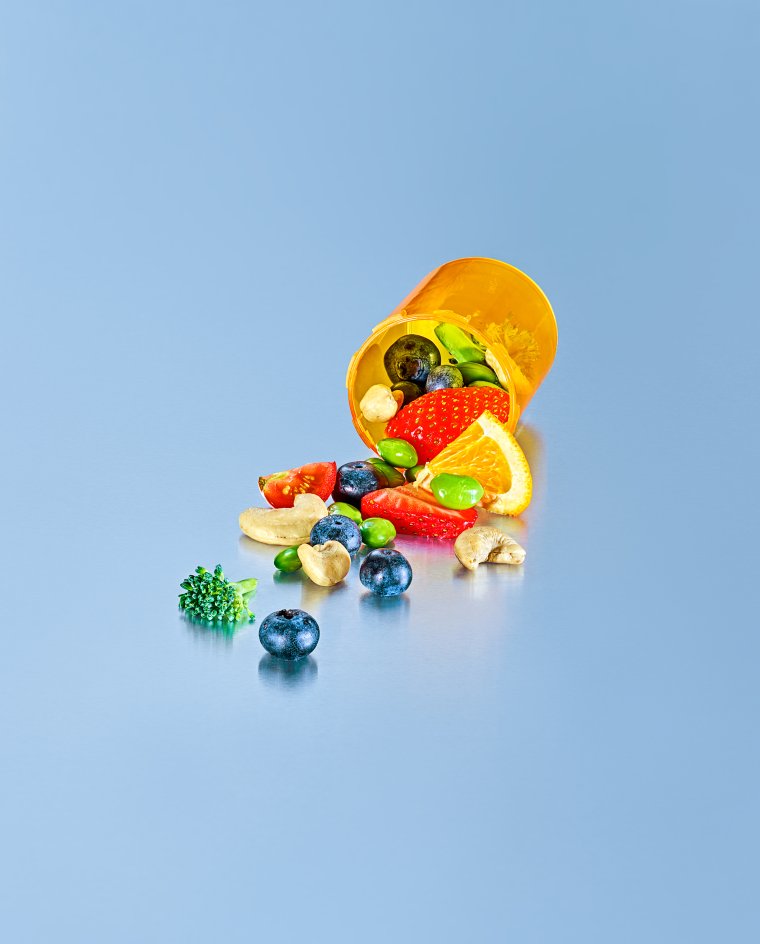
BLUEBERRIES | Contain antioxidants that fight cancer. Studies show some compounds in blueberries can interrupt tumors’ ability to grow new blood vessels
 
Zachary Zavislak for TIME

And talking about food in terms of doses might push more doctors to put down their prescription pads and start going over grocery lists with their patients instead. So far, the several hundred people like Shicowich who rely on the Fresh Food Farmacy have lowered their risk of serious diabetes complications by 40% and cut hospitalizations by 70% compared with other diabetic people in the area who don’t have access to the program. This year, on the basis of its success so far, the Fresh Food Farmacy is tripling the number of patients it supports.

Shicowich knows firsthand how important that will be for people like him. When he was first diagnosed, he lost weight and controlled his blood sugar, but he found those changes hard to maintain and soon saw his weight balloon and his blood-sugar levels skyrocket. He’s become one of the program’s better-known success stories and now works part time in the produce section of a supermarket and cooks nearly all his meals. He’s expanding his cooking skills to include fish, which he had never tried preparing before. “I know what healthy food looks like, and I know what to do with it now,” he says. “Without this program, and without the support system, I’d probably still be sitting on the couch with a box of Oreos.”


How food can be your medicine: Home remedies in your kitchen


Consuming the right foods can provide you with all the crucial nutrients to keep you healthy.

How food can be your medicine Home remedies in your kitchen
FRIDAY, APRIL 10, 2020 - 17:41

This article is authored by Dr. Shweta U. Shah for Tata Nutrikorner. Dr. Shah follows a patient-centred perspective, emphasizing the benefits of natural remedies and herbs, and whole food nutrition. Tata Nutrikorner is online platform aimed at bringing native Indian nutritional values back into the conversation. Health, nutrition, wellness – the Indian way.

Food is fuel. It provides energy and powers you, helps you carry out all activities through the day. It is necessary for all the vital functions of the body. Essentially, if you eat intelligently, what you eat can be therapeutic. As Hippocrates stated, "Let your food be your medicine." Research and clinical trials have revealed the wonderful curative properties of certain specific foods and how they can battle various ailments.

Consuming the right foods can provide you with all the crucial nutrients to keep you healthy. What’s more, certain foods can ameliorate and effectively deal with some of your annoying everyday troubles, particularly – bloating, acne, dermatitis, allergies and urinary tract infections.

Take a look at some examples for the next time you are feeling indisposed:

Lime: It helps battle flu-like symptoms and boost immunity. A glass of lime juice can help you in your efforts to avoid a cold.

Cranberries: These berries can be an effective natural remedy to deal with pesky urinary tract infections.

Yogurt: Applied topically, yogurt can help lessen the effects of a sun tan and make your skin look healthy and radiant.

Dates: Consuming dates can help fight the most obstinate constipation.

Ginger: Nature’s analgesic, ginger helps deal with arthritis related pains, stomach cramps and migraine headaches.

Fenugreek: A paste of fenugreek seed powder can be help treat dandruff.

Cumin: Cumin seeds combat indigestion, flatulence, heartburn and nausea.

Grapes: Consuming 100 grams of grapes daily can help with fatigue and exhaustion.

Honey: Instilling a drop of honey into the eye may help deal with the symptoms of dry eye and eye fatigue.

Garlic: Consuming garlic can keep blood pressure from oscillating.

Superfood Turmeric and Immunity

The antioxidant power of turmeric fights inflammation and builds immunity. It can help cure the symptoms of cold and flu successfully. Curcumin in the turmeric helps thin out the mucous, battles inflammation and replenishes nutrients your body is low on, when you’re feeling under the weather.

Banish Bloating With These Home Remedies For Gas

Bloating can cause a lot of discomfort. Fortunately, there are a host of home remedies that can be of immense help. The most effective home remedies to fight flatulence are – fennel seeds, cumin seeds, mint and ginger. All these soothe your stomach and combat a bloated belly.

Support Heart Health with Lentils

The cholesterol lowering fibre and the generous amounts of protein in lentils are superstars for heart health! Having a bowl of dal every day is good for your heart health. These tiny seeds help stabilize fluctuating blood pressure levels and work towards preventing stroke and heart attacks.

Diet is absolutely fundamental to good health. However, it is easy to have fall prey to the comforts of modern life, with no physical activity and frequent indulgences in unhealthy food which provides hardly any nourishment. As a result, there’s a mammoth epidemic of diet-related diseases and disorders. Luckily, it is totally possible to regain lost health and battle diseases naturally by designing the right diet and resorting to home remedies in times of trouble.

Source:

For more such articles, check out: 


Source: The Encyclopedia of Healing Foods, Dr. Murray and Dr. Pizzorno.

DISCLAIMER: The views and opinions expressed in this content piece are those of the author(s) and not necessarily reflect the official policy or position of any other agency, organization, employer or company. Assumptions made in the analysis are not reflective of the position of any entity other than the author(s).The information, including but not limited to, text, graphics, images and other material contained on this website are for informational purposes only. The purpose of this website is to promote broad consumer understanding and knowledge of various health topics. It is not intended to be a substitute for professional medical advice, diagnosis or treatment. Always seek the advice of your physician or other qualified health care provider with any questions you may have regarding a medical condition or treatment and before undertaking a new health care regimen, and never disregard professional medical advice or delay in seeking it because of something you have read on this website.

Sunday, March 14, 2021

The top foods to try in New York


The top foods to try in New York

Travellers are advised to read the FCO travel advice at gov.uk/foreign-travel-advice for the country they are travelling to.

If you think there is any incorrect or out of date information in this guide please e-mail us at goodfoodwebsite@immediate.co.uk

Along with the Statue of Liberty, yellow cabs and skyscrapers, food is a quintessential component of New York City. Its status as a cultural melting pot means you can eat your way across the globe within the confines of one city, taking in some iconic dishes along the way.

Don’t leave New York without trying…

1. Gnocchi

Gnocchi with hazelnuts and veg in bowl on wooden table

When it comes to pasta, New Yorkers love gnocchi, and both rustic and modern versions are available city-wide. Clay, a farm-to-table restaurant in uptown Manhattan, offers gnocchi served with mildly sweet butternut squash, crunchy hazelnuts, fresh sage, maitake mushrooms and pickled Fresno chillies.

2. Nasi lemak

Rice, eggs, meat and mixed vegetables and nuts on plate

New York’s food scene will take you around the world. Look out for Singaporean hawker-style venues that fuse intensely flavourful Chinese, Indian and Malay cuisines. Be sure to try nasi lemak, a fragrant rice dish cooked in coconut milk served with spicy lamb curry, crispy fried anchovies, a hard-boiled egg and fresh sliced cucumber.

3. Ramen

Noodles and broth with egg in bowl with chopsticks

Going out for ramen on a cold or rainy day in New York is a local pastime. The Japanese staple of wheat noodles in a meat or fish-based hot broth is typically flavoured with soy sauce, miso, or garlic oil and heightened with toppings like sliced pork belly, dried seaweed, bamboo shoots and soft-boiled egg.Almost every ramen noodle soup in New York offers its own variation, from the Okinawa (a chicken broth seasoned with yuzu and sake lees) served at ROKC to the tonkotsu (pork bone broth) found on Jin Ramen’s menu.

4. Fiery cocktails

Setting fire to a cocktail is a great way for creative bartenders to impress patrons. But experienced mixologists know that the flames aren’t just for showing off – to do this right, it takes finesse, precision and an understanding of how the fire can enhance the flavours of the liquor used in a cocktail. The Honeywell does it best with the cinnamon torched cocoa butter in their Disco Inferno, a drink made with rum, beer, orange oils and agave.

5. Milkshake

Milkshake with cream, straws and sprinkles in tall glass

This classic is more of a dessert than a drink. You can find the standard chocolate, strawberry or vanilla-flavoured milkshakes at almost every ice cream shop in the city, but if you’re looking for something special, with over-the-top candy and ice cream flavours, be sure to visit Black Tap.

6. Shawarma platter

Shwarma meat with cheese, houmous and salad

Over the past few decades, New York City has seen a rise in halal cart street food vendors. They’ve become one of the most iconic outdoor dining destinations in the city, offering platters like seasoned lamb, chicken or falafel over rice.While halal carts might all look the same, every vendor adds their own flair to set themselves apart. It’s definitely a grab-and-go scenario, which is perfect if you want to savour cheap eats while people-watching on a bench. Spicy food lovers should say yes to the hot red sauce.

7. Bagels

Seeded bagel cut in half on plate with coffee

A long-rise yeast bread with a ring shape, bagels are boiled before they’re baked, creating a shiny exterior that yields to a doughy centre (legend credits local water for the unique NY bagel taste). It was Eastern European Jewish immigrants that brought bagels to New York in the late 1800s. Like pizza, bagels give New Yorkers a reason to brag. In most bagel shops or corner delis, you can find flavours like poppy seed, sesame, cinnamon raisin and a New York favourite called “everything”, topped with poppy seeds, toasted sesame seeds, dried garlic, dried onion and salt.With their thick crust and fluffy centre, fresh bagels can be eaten plain, with butter, or smeared with cream cheese. For those who want to start their day with a filling breakfast or early lunch, a bagel with lox (smoked salmon), cream cheese, red onions, tomatoes and capers is the best way to go.

8. Pizza

Everyone knows that you can’t visit the Big Apple without devouring a slice, or let’s be honest, an entire pizza pie (yes, New Yorkers call them pizza pies). New York pizza boasts a thin crust topped with sweet marinara sauce flecked with heaps of oregano and a heavy hand of mozzarella. Pizza spots dot the city’s streets, perfect for picking up “a slice,” as locals do, at any time of day or late into the night. Neapolitan immigrants landing in NY in the late 1800s are credited for bringing pizza to the city – it was Gennaro Lombardi who opened the city’s first pizzeria in 1897, and Lombardi’s on Spring Street still stands today. There are walk-in spots that offer traditional New York or square Sicilian (thick crust) slices for $1 to $4 each; perfect for eating while on-the-go and if you’re travelling with a tight budget.

For those who want to unwind with a glass of wine and try a more personalized pizza pie – for example, a gluten-free crust, vegan-friendly options, or toppings like meatballs or ricotta – places like Arturo’sRubirosa, and Lucali are a few local top picks. Urban legend says that the city’s tap water used to make the crust is part of the reason why the signature item reigns supreme here.

Try making your own Margherita pizza at home with our ultimate next level recipe.

9. Ropa vieja and plantains

Ropa vieja, a Cuban stew of slow-cooked shredded beef, chillies and peppers, is the ultimate comfort food. The name means ‘old clothes’, which perhaps doesn’t sound very appetising, but your taste buds will thank you for pairing the tender, vinegary meat with Caribbean-inspired black beans, yellow rice and plantains. It’s the national dish of Cuba and most Cuban-Americans will tell you that their mum’s or grandma’s recipe can’t be beaten. Try it at Latin Cabana in Queens.

10. Oysters

Oysters on ice with sauces

It doesn’t matter what time of year you visit, there are a plethora of excellent places to enjoy oysters in New York – best paired with a cold glass of prosecco or white wine. Be sure to always look for the money-saving raw bar happy hours that give you even more reason to indulge.

11. Hot dogs

Hot dogs with toppings in napkin

Hot dogs are as ubiquitous to New York as yellow taxis. Traditionally made of ground pork, beef or both, these frankfurter-style sausages are flavoured with garlic, mustard and nutmeg before being encased, cured, smoked and cooked. Trek to Brooklyn to visit Original Nathan’s Famous Frankfurters, opened in 1915 by German-born Charles Feltman who conceived of the hot dog while pushing a pie cart along Coney Island’s boardwalk. Or stop by the street carts on city corners for garlicky hot dogs with grainy mustard and tangy sauerkraut.Try making your own… Cumberland hot dogs with charred tomato salsa or sweet chilli dogs

12. Chicken and waffles

Fried chicken served atop breakfast waffles is a combination that mystifies – until you take a bite. The earliest chicken and waffle meet-up appeared in Pennsylvania, but a Southern food-inspired take on the dish splashed onto the scene at the Wells Supper Club in Harlem in the mid-1900s. Though the restaurant’s doors are now shuttered, the salty-meets-sweet dish lives on in New York’s best soul food joints.

13. Pastrami on rye

Pastrami and gherkins on bagels with mustard

Thinly-sliced pastrami piled mile-high and served hot on toasted caraway-flaked rye bread is more than worthy of your NY culinary bucket list. Originally brought to New York from Romania as goose pastrami, today’s best Jewish delis, like Katz’s, opt for pastrami made of beef brisket that’s cured in brine then seasoned with garlic, coriander and loads of black pepper. Enjoy it with a side of classic dill pickles for a perfect New York lunch.Try making your own… hot pastrami bagels

14. Cheesecake

Cheesecake with slice taken

New York cheesecake is known for its simplicity: cream cheese, cream, eggs and sugar are all that go into a local batch. Diners throughout the city dish out towering ivory slices, though the most iconic is found at Junior’s Cheesecake in Brooklyn. Opened in 1950, Junior’s has used the same recipe for three generations and is a cult favourite, well worth the journey to the boroughs.Try making… this classic New York cheesecake or make a version that’s a little lighter

15. Black-and-white cookies

These half-black, half-white iced cookies are more of a sponge cake than a proper biscuit. Hailing from upstate New York in the early 20th century, the biscuits were the result of leftover cake batter, mixed with a touch of extra flour to hold their shape. Skip the plastic shrink-wrapped variety and opt for those freshly made at local bakeries, with a vanilla cake base and fudge icing on one side, vanilla on the other.

16. Knishes

Knishes on plate

Derived from the Yiddish word for dumpling, a knish is thick, dense dough that is baked, grilled or deep-fried. Potato knishes with spicy brown mustard are a NY classic, though mushroom, spinach and other vegetables often find their way into its doughy centre. Another Eastern European gift from the 1900s, knishes are commonly sold at diners, Jewish delis, butcher shops and street vendors from Brooklyn to the Bronx.

17. Spumoni

Spumoni on platter

Wash down your pizza with a scoop of cold, colourful spumoni. A cross between an Italian ice and an ice cream, spumoni originated in Naples as the ancestor to the Napoleon ice cream. Spumoni, like its descendent, is a trio of flavours, typically chocolate, pistachio and cherry, though vanilla, cannoli or cremelata often make an appearance in place of the cherry.

Try making… this spumoni-inspired recipe

18. General Tso’s Chicken

New Yorkers love to dip chopsticks into those iconic white boxes, slurping out General Tso’s Chicken. Made of chopped, dark meat chicken that is battered, deep-fried and coated in a sugary-sweet, rich garlic hoisin sauce, speckled with hot chilli peppers and sesame, General Tso’s epitomises Chinese-American cuisine. Though the General did exist, Chinese-born Peng Chang-kuei is credited with inventing the dish, which was introduced to NY and subsequently Americanised during the 1970s Hunan craze in the city. A mainstay in Chinese-American takeout, General Tso’s is best chased with a fortune cookie baked in Brooklyn.

Advertise here blog 1


PopularPosts

Pages - Menu